Laminated SentryGlas® | 12 Things to Know About Structural Interlayers
Laminated SentryGlas® is designed for architectural glass applications that require added strength, safety, durability, and post-breakage performance.
Made with structural interlayers, this type of laminated glass is commonly specified for projects where standard laminated glass may not provide the level of rigidity, impact resistance, or exposed-edge performance required by the application.
This guide answers key questions about laminated SentryGlas®, including how it performs after breakage, where it can be used, which projects may require structural interlayers, what glass make-ups are available, and what sizes and interlayer thicknesses can be ordered.
Architectural Glass and Metal provides access to laminated SentryGlas® fabrication for commercial, residential, hospitality, healthcare, and specialty architectural projects.

Laminated SentryGlas® FAQ
What Is Post-Breakage Stability?
Post-breakage stability refers to the ability of laminated glass to remain in place after breakage. In laminated SentryGlas®, the structural interlayer helps hold the glass together if breakage occurs. Instead of falling apart into loose fragments, the broken glass remains adhered to the interlayer, helping the panel stay more intact. This performance is especially important in applications where glass retention, safety, and structural behavior after impact are critical.
How Does Laminated SentryGlas® Provide Post-Breakage Stability?
SentryGlas® uses structural interlayers that are significantly stronger and more rigid than traditional PVB interlayers. Because of this rigidity, the interlayer can help the laminated panel absorb impact energy and maintain greater stiffness after breakage. This allows the glass to bend and flex as a more unified panel instead of separating into loose pieces. For architects, glaziers, contractors, and building owners, this can provide added confidence in applications where safety, impact resistance, and post-breakage performance matter.
When Do I Need High-Performance Laminated Glass?
High-performance laminated glass may be required when a project must meet specific building code, safety, impact, wind-load, or security requirements.
It may also be recommended for applications where additional protection, durability, or post-breakage stability is desired. Building codes vary by location and project type, so exact requirements should always be confirmed with local code authorities, engineers, or project specifiers.
Where Can SentryGlas® Be Used?
Laminated SentryGlas® can be used in a wide range of residential, commercial, hospitality, healthcare, and institutional applications.
Common applications include:
- Handrails
- Guardrails
- Gates
- Sliding doors
- Balconies
- Glass canopies
- Storefronts
- Curtain walls
- Windows
- Doors
- Frameless glass systems
- Minimally supported glass installations
Because structural requirements vary by project, it is important to confirm the correct glass make-up, thickness, and interlayer configuration before specifying or ordering.
Which Projects May Require Structural Interlayers?
Structural interlayers may be required or recommended for projects where glass must provide more than basic transparency or separation.
These may include:
- Hurricane and high-wind applications
- Impact-resistant windows and doors
- Security glazing
- Glass railings and guardrails
- Frameless glass systems
- Bolted glass applications
- Glass canopies
- Balconies
- Large-format glass panels
- Minimal framing installations
- Applications with exposed glass edges
The need for structural interlayers depends on code requirements, engineering calculations, project location, panel size, support conditions, and performance expectations.
Does Laminated SentryGlas® Meet Architectural Glass Standards?
Laminated SentryGlas® can be specified to meet recognized safety and architectural flat glass standards, depending on the final glass make-up and project requirements.
The original page mentions ANSI and ASTM standards as relevant references for laminated architectural flat glass and safety glazing. For final specification, architects, engineers, and glazing professionals should confirm the required standard, testing criteria, and code compliance for each project.
More Laminated SentryGlas® FAQ’s. High Performance Use
What Sheet Sizes Are Available?
Laminated SentryGlas® panels can be fabricated in a wide range of sizes. The current page states that sheets can be fabricated up to 96” x 155”.
Panel availability may vary depending on glass type, thickness, make-up, interlayer configuration, fabrication requirements, and shipping considerations.
Are Color Options Available?
Yes. In addition to clear interlayers, laminated SentryGlas® can be supplied with translucent white interlayers for projects that require privacy, diffused light, or a decorative glass effect.
This option can be useful for interior partitions, privacy screens, decorative panels, hospitality applications, and design-forward commercial spaces.
What Are Typical Lead Times?
Lead times depend on the glass make-up, size, thickness, interlayer configuration, fabrication requirements, order volume, and shipping destination. The current page mentions a lead time of approximately two weeks for laminated SentryGlas® orders, supported by in-house fabrication and stocked interlayers.
For final scheduling, project teams should confirm current production timelines at the time of quoting.
Even More Laminated SentryGlas® FAQ’s. What You Can Get at PRL
Can SentryGlas® Be Used in Hurricane or High-Wind Areas?
Yes. Laminated glass with structural interlayers is often used in hurricane, impact, and high-wind applications because it can provide improved tear resistance, impact performance, and post-breakage stability. These characteristics make it suitable for windows, doors, storefronts, curtain walls, and other exterior glazing systems in demanding environments.
Final approval depends on the project’s code requirements, tested system configuration, framing, anchoring, glass make-up, and local jurisdiction.
Is This Glass Suitable for Bolted and Frameless Applications?
Yes. SentryGlas® can be used in bolted, frameless, and minimally supported glass applications when properly specified. The rigidity of the structural interlayer helps support applications where the glass may experience higher stress loads or reduced framing support.
Common examples include:
- Glass railings
- Frameless entrances
- Glass enclosures
- Guardrails
- Balconies
- Canopies
- Doors
- Windows

Can SentryGlas® Be Used With Exposed Edges or Minimal Framing?
Yes. SentryGlas® is often selected for exposed-edge and minimal-framing applications because its ionoplast interlayer is more resistant to moisture intrusion and weathering than traditional interlayers.
This makes it useful for architectural designs where the glass edge remains visible or where the design intent requires cleaner lines, reduced framing, or more open transparency.
Which Laminated Glass Make-Ups Are Available?
Laminated SentryGlas® can be fabricated in several make-ups depending on the project’s safety, performance, design, and aesthetic requirements.
Available glass types may include:
- Annealed glass
- Heat-strengthened glass
- Tempered glass
- Tinted glass
- Reflective glass
- Patterned glass
- Mirror glass
- Clear glass
- Decorative glass configurations
The correct make-up should be selected based on application, panel size, support conditions, code requirements, and performance goals.
Which Interlayer Thicknesses Can Be Specified?
A range of standard and custom interlayer thicknesses can be specified depending on the required glass performance.
The original page notes stock interlayer thickness options as well as custom configurations ranging from 5/16” to 3”, depending on the selected glass make-up and project requirements.
For technical accuracy, interlayer thickness should be confirmed during the quote or specification process.
Quick Product Photo Gallery

PRL Glazing Products

Colored Laminated Glass

Solarban® 60 Low-E Glass

Laminated Glass Manufacturing

PRL Low-E Glass

2013 Top Performing Glazing System

Aluminum Doors

Elegante Handrailing System

5 Easy Steps to Shop

316 Stainless Steel Hinge

2012 Complete Handrail Catalog

2012 Top Performing Glazing Solutions

Happy Thanksgiving – 2015

2017 Top 4 Best Sellers

2018 Architectural Glass Catalog

Accordion Sliding Bifold Door System

Accordion Sliding Bifold System

Accordion Sliding Bifold Door System

Accordion Sliding Bifold Door Systems

Accordion Sliding Bifold Door System

Four Krystal Textured Glass Patterns

Adjustable Aluminum Door Stile

All Glass Door Systems

All Glass Entrance Doors and Hardware

All Glass Panic Device Doors

All Glass Railing Systems

All Glass Shower Doors and Hardware

All Glass Sliding Doors

All Glass Sliding Doors

All Glass Swing Door Fittings

All-In-One Patch Fitting and Closer

Aluminum Glass Door Manufacturer
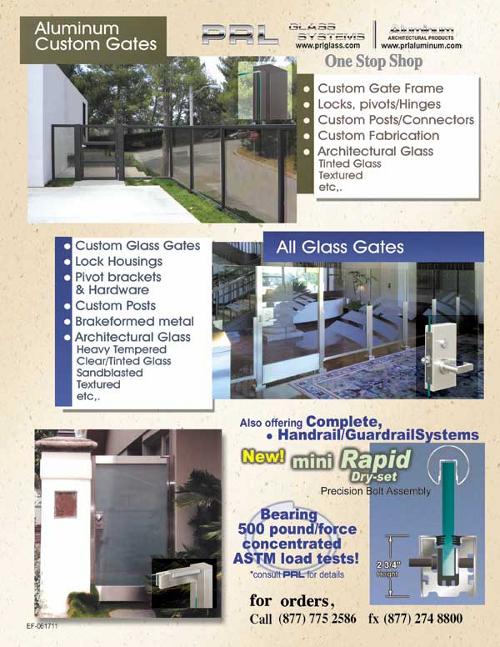
Aluminum Glass and Gates

Aluminum Bifold Accordion Doors

Aluminum Curtail Wall Systems

Aluminum Doors

Aluminum Entrance Doors and Storefronts

Aluminum Extrusions

Aluminum Gates and Doors

Aluminum Glass Walls
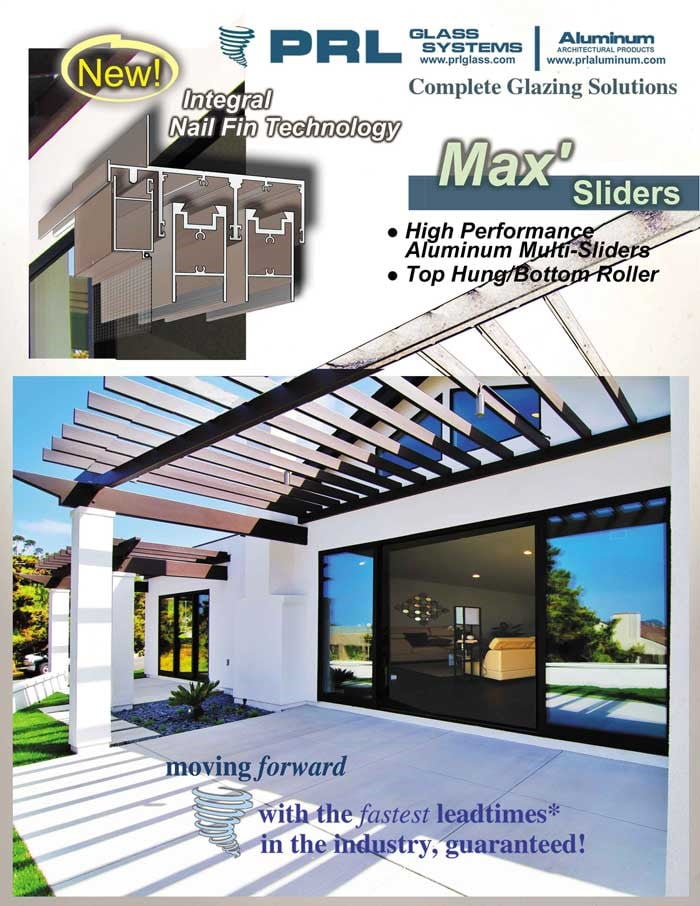
Aluminum MAX' – Nail Fin Technology

Aluminum Modular Railing

Aluminum Multi Panel Sliding Door

MAX'Sliders – 1 Inch Narrow Stile
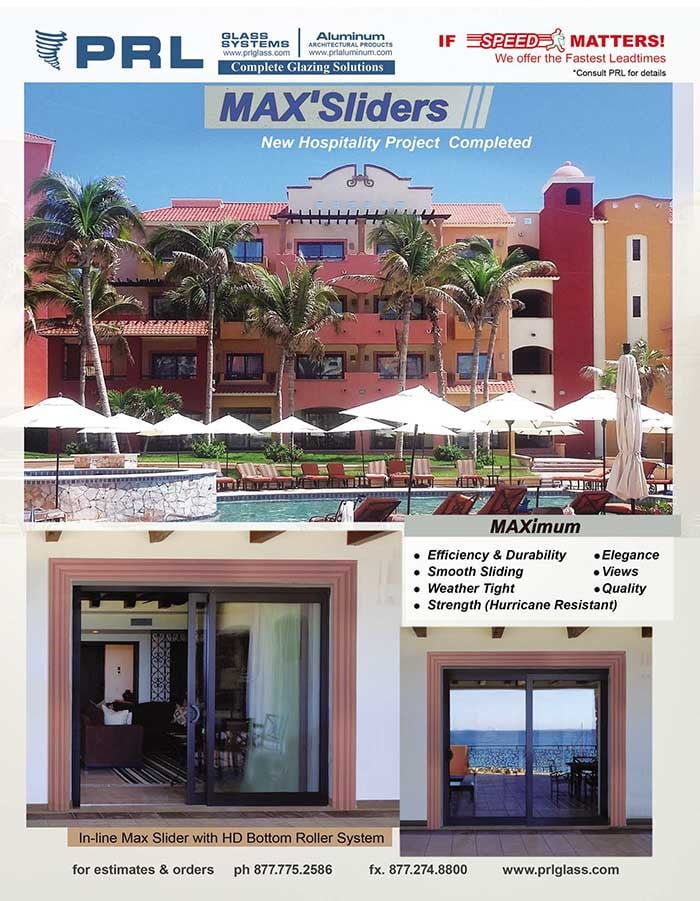
Aluminum Sliding Door System

Aluminum Storefronts

Aluminum Storefront Products

Alumi-Slider

Aluminum Sliders

architectura-glass-and-metal

Architectural Break Metal Products

Architectural Glass

Architectural Glass and Metal Catalog

Architectural Glass and Metal Products

Architectural Glass and Metal Top Performers

Architectural Glass Photos

Architectural Metal

Architectural Reflective Glass

Ari Compound Laminated Glass Doors

Automated Extrusion Press

Automatic Swing Door Operator

Ballistic Resistant Glazing Laminate

Bottom Rolling MAX'Sliders

Bottom Rolling Sliding Doors

Bullet Resistant Glass

Buy Glass Online

California Glass and Metal Fabricator

California Handrail Manufacturer

Clad Doors

Clad Full Framed Entrance Door Systems

Classic Full Framed Sliding Doors

Clearvision Stacking Movable All Glass Wall System

Colored Spandrel Glass

Commercial Aluminum Entrance Doors

Complete Aluminum Storefront Systems

Complete Glazing Systems

Complete Handrail Systems

Complete Shower Door Units

Custom Aluminum Entrance Doors

Custom Aluminum Entrance Doors – Storefront

Custom Aluminum Extruder

Custom Aluminum Extrusions

Custom Architectural Break Metal

Custom Fabricated Mirrors

Custom Fences

Custom Flex Posts

Custom Glass

Custom Glass and Metal Security Gates
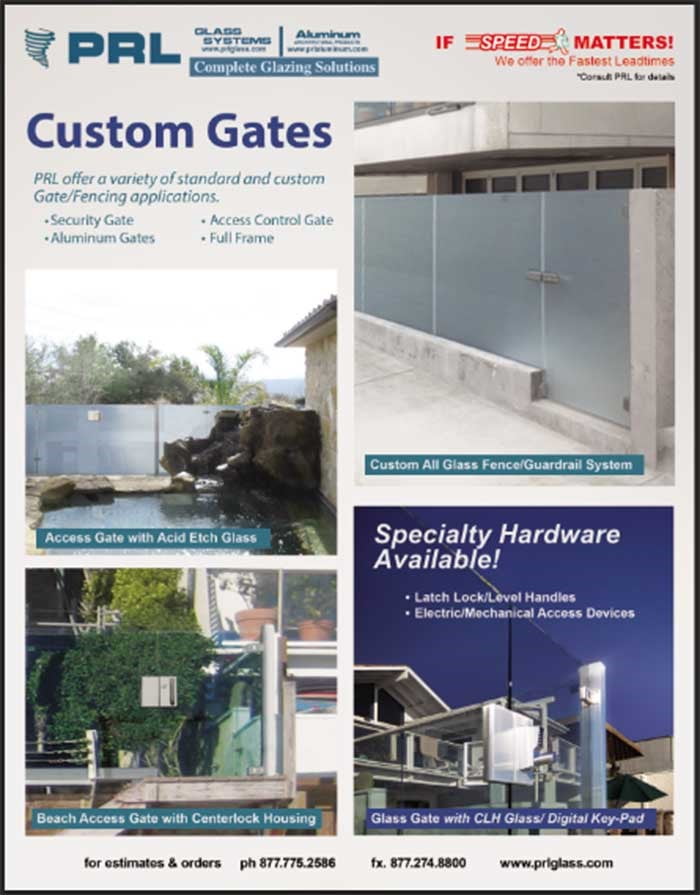
Custom Glass Gates

Custom Glass Metal Railing

Custom Glass Specialty Experts

Custom Glass Table Tops

Custom Glazing Installation Images

Custom Handrail and Guardrail Posts

Custom Heavy Tempered Glass

Custom Shower Units

Dead Bolt Locking Door Pulls

Decorative Glass Beautifies Interiors

Decorative Laminated Glass

Door Pull Handles

Dryset Sidelite Door Rails

Dryset Sidelite Headers

Easy Install Handrail System

Easy Locking Ladder Pulls

Easy Locking Ladder Pulls

Elegant Full Framed Clad Doors

Elegant Glass Fences and Gates

Entrance Systems

Entrance Door Panic Device Catalog

Entrance Door Systems
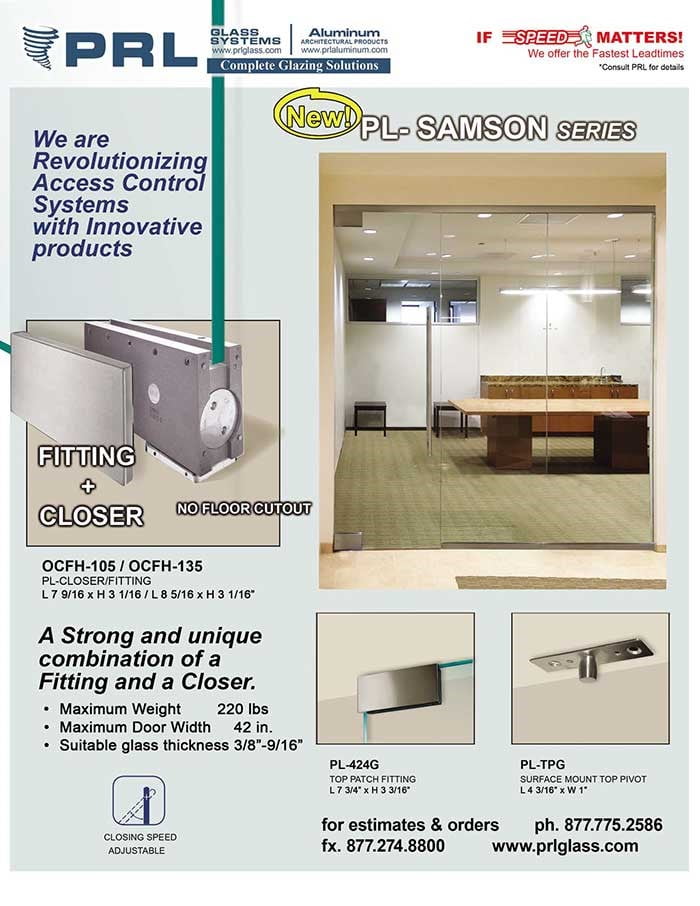
EURO Patch Fittings

Exterior Glass Door Applications

Fabricated Aluminum Doors

Fabricated Mirrors

Fast All Glass Door Installation

Fire Rated Glass

Flex Post Handrail/Guardrail System

Flex Post System

Floating Header Panic Device
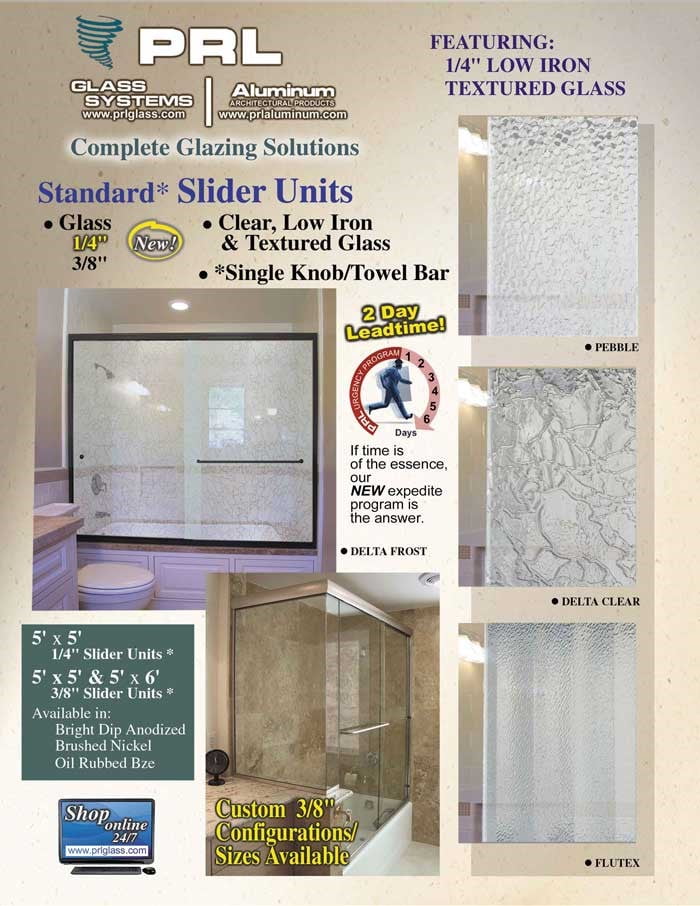
Frameless Glass Bypas Doors

Frameless Shower Doors and Glass

Frameless Shower Enclosures

Frameless Shower Units

Free Admission – Glass Expo West 2015

full-framed-cladded-doors

Guardrail/Handrail Components – Top Caps

Glass Build America – 2018

Glass and Aluminum Discount

Glass and Metal Concepts

Glass and Metal Custom Railing

Glass Applications

Glassbuild America – 2018

Glassbuild America – 2016

Glassbuild America – 2018

Glass Door Exit Device

Glass Expo West – 2017

Glass Fences and Gates

Glass Office Cubicles

Glass Post Railing System

Glass Sliders

Glass Stand Off Railing Systems

Glazing Applications
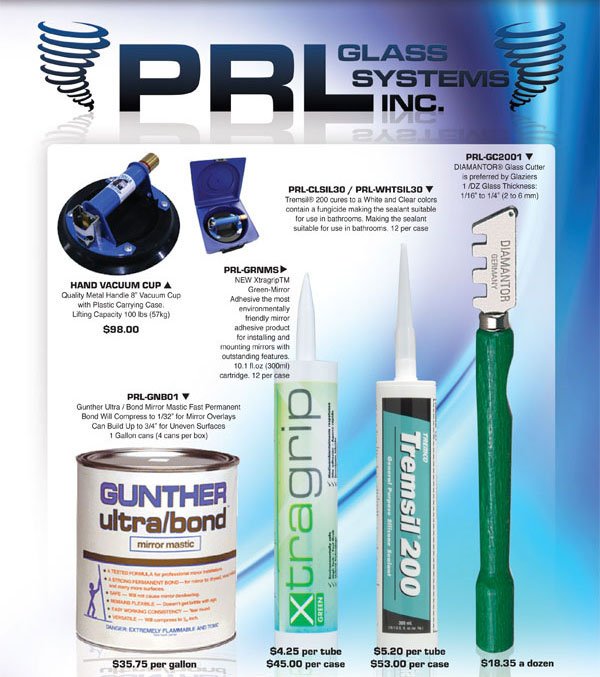
Glazing Products

Glazing Sealants

Glazing Solutions

Gluechip Shower Glass – Lilly

Green Tinted Glass

Guardrail Components

Guardrail System

Handrail PDF From PRL

Handrail Top Cap

Harrah's Casino Shower Door Project

Heavy Duty Glass Door Hinge

Heavy Tempered Glass

Heavy Tempered Glass Specialist

High Quality Aluminum Sliding Door
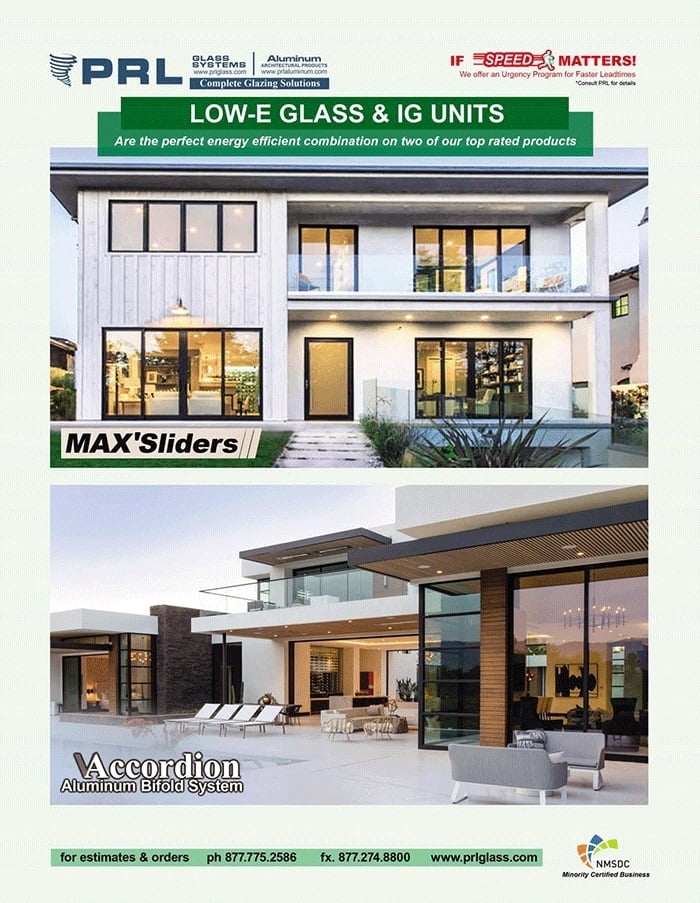
Low-E Glass and IG Units

Infinity Glass Guardrail System

Infinity Guardrail System

International Glazing Solutions

Keralite® Fire Rated Glass

PRL Ladder Pulls

Laminated Colored Glass

Laminated Glass

Laminated Glass

Laminated Glass Line

Laminated Glass Manufacturing

Laminated Glass PossiblitiesZ

Laminated Glass Products

Laminated SentryGlas®

Laminated Tempered Security Glass

La Puente Glass Manufacturers Award

LED Glass Railings

Architectural Glass Manufacturer

Los Angeles Door Hardware Manufacturer

Low-E Architectural Glass

Low-E Glass

Low Emissivity Glass

Low-Iron Mirros

MAX' Slider Door System

MAX'Slider Hurricate Impact Resistant

MAX'Sliders

MAX' Sliding Doors

MAX' Sliding Doors

MBE Certification

Mighty Mini Rapid Dry-Set

Mirrors

Narrow Door Stiles

New Insulated Glass Line

New PRL 2015 Catalog

New Raipd Low Profile Handrail Base System

New Shower Door Enclosure Catalog

New White Translucent Structural SentryGlas®

PRL has NFRC Certification

NFRC Certified Aluminum Sliding Glass Doors

Online Frameless Shower Door Ordering

Online Order Entry Contest

Online Order Entry Contest

Online Ordering and Quoting

PRL – Online Specs

Order and Quote PRL Storefront Stock Lengths Online

Order Glass Online

Order Shower Door Sliders Online

Oversized Glass Tempering Oven

4th Oversized Tempering Furnace

Oversized Tempering Furnace

Painted Spandrel Glass

Panic Device – Raising The Bar

Panic Devices and Hardware Catalog

Panic Device Tested Over 1 Million Cycles

PRL Panic Hardware

PG51A W1 Glass Fabrication

PG51A W2 Glass Fabrication

PRL PL-2000 HD Floor Closer

Insultaed Glass

Price Increase

Privacy Glass

PRL 2012 Glass Handrail Catalog

PRL 2018 Architectural Glass Catalog

PRL Account Info

PRL All Glass Entrance Systems

PRL Aluminum Bifold Accordion Doors

PRL Company Directory

PRL Company Directory – 2017

PRL Deadbolt Handles

PRL Elegante Handrail System

PRL Glassbuild – 2014

PRL Glass – My Account

PRL Glass Price Increase

PRL Glass Systems, Inc.

PRL Glazing Products Galleries

PRL Handrail Base for Glass

PRL Infinity Guardrail System

PRL Laminated Glass

PRL Glass and Aluminum

PRL New Will Call Hours

PRL Panic Device

PRL Photo Contest

PRL Shower Door Hardware
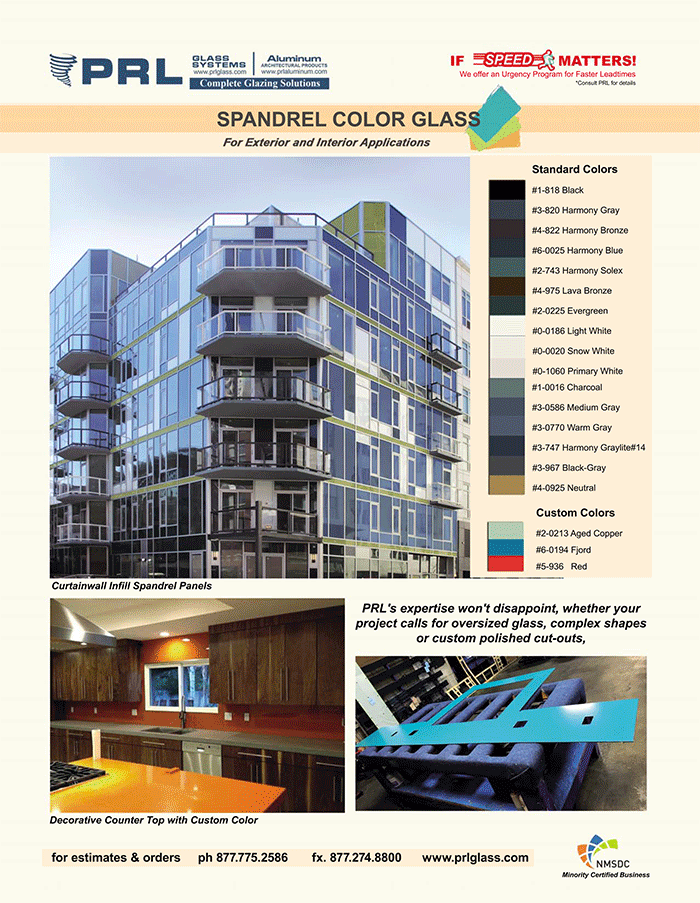
PRL Spandrel Glass
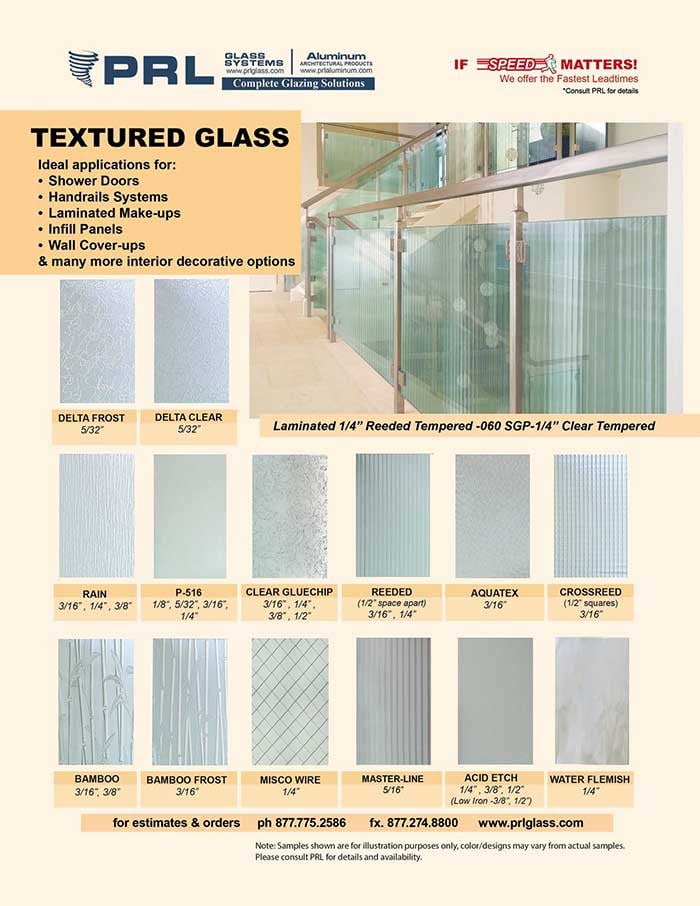
PRL Textured Glass

PRL Tinted Uncoated Glass Products

PRL Project Photos

Push/Pull EZ Access Egress Control Devices
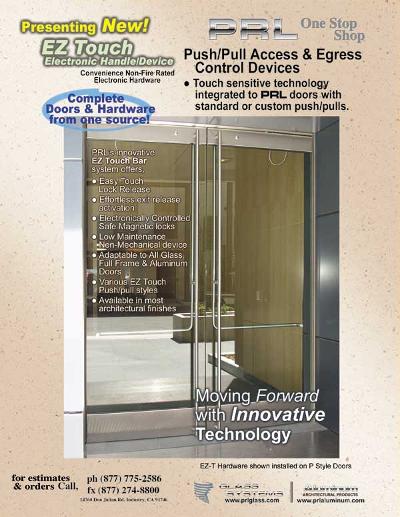
Push/Pull EZ Access Egress Control Devices

Quote and Order PRL Products Online

PRL Railing System

Rapid Design Base Shoe

Rapid Dry-Set Base Shoe

Rapid Dryset Door Rails

Raipd Dryset Sidelite Rail Manufacturer

Raipid Handrail Base

Raipd Handrail Systems Test Report

Reflective Glass

Robot Polisher System

Round Bar Handle Panic Device

Round Tube Mitered Corner Panic Device

Ruby All Glass Sliders

Ruby All Glass Sliding System

Samson Glass Handrail Clamp System

Samson Heavy Duty Hinge

Sampson Hydraulic Door Patch Closer

Sandblasted Glass

Sandblast Glass Creations

Sealants Cue Card

Security Glass Bullet Resistant Laminates Ballistic Glass

Selling Glass and Metal

Shower Door Coatings

Shower Door Hardware

Shower Door Slider

Shower Door Sliders
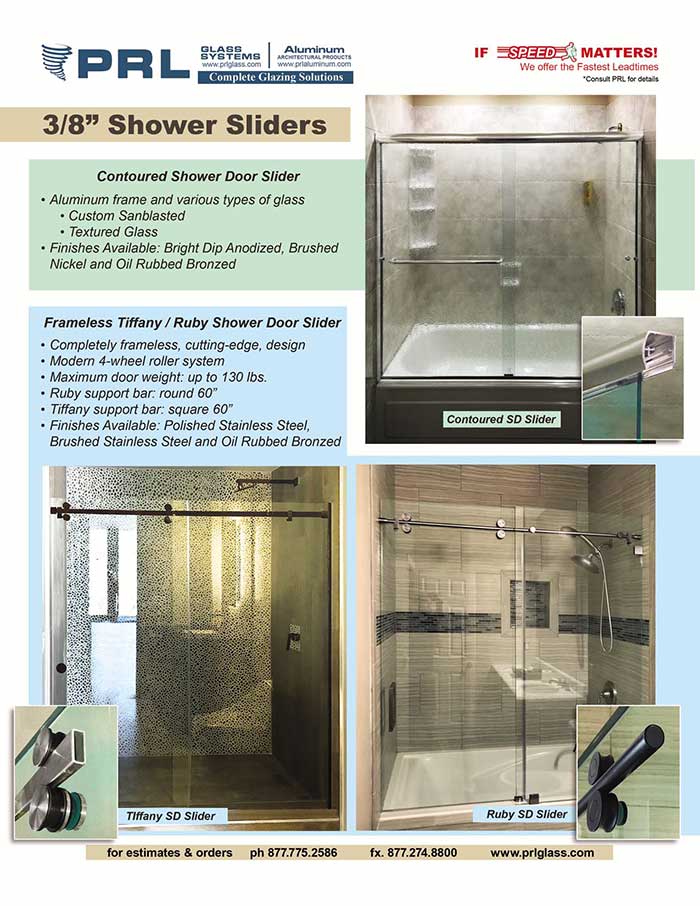
Shower Doors Slider

Shower Glass Door Hardware

prl-shower-glass-types

Shower Sliders

Sidelites Dryset Glass Rails

Silicone Products

PRL's MAX'Sliders – Sliding Doors

Sliding Glass Doors – Nail Fin Frame

Sliding Glass Doors

Sliding Pocket Door

Small Handrail Base

Sunguard SuperNeutral Series SNX 62/27

Solarban® 60 Low-E Glass

Solarban® 60 Low-E Glass

Sound Control Laminated Glass

PRL’s Spandrel Color Glass

PRL Spandrel Glass

Spandrel Glass in Shower Enclosures

Specialty Glass Doors

Square Deadbolt Locking Door Pull

Square Panic Bar Device

Square Tube Panic Device

Sainless Steel Railing Systems

Starphire Glass

Starphire Glass

Storefront and Glass Door Specifications

PRL Storefront Systems

Sunguard SNR 43 Superneutral&#reg; Series

Sunguard SNX 51/23

Super Neutral 54 Crystal Gray Glass

Super Neutran 68HT for Embedded Laminated Glass

Tall Door Panic Device

Tempered Glass Fabricator

PRL Textured Glass

Tiffany All Glass Interior Sliding Door System

Tiffany Glass Sliding Door System

Tiffany Interior Glass Sliding Door System

Tiffany Shower Door Slider
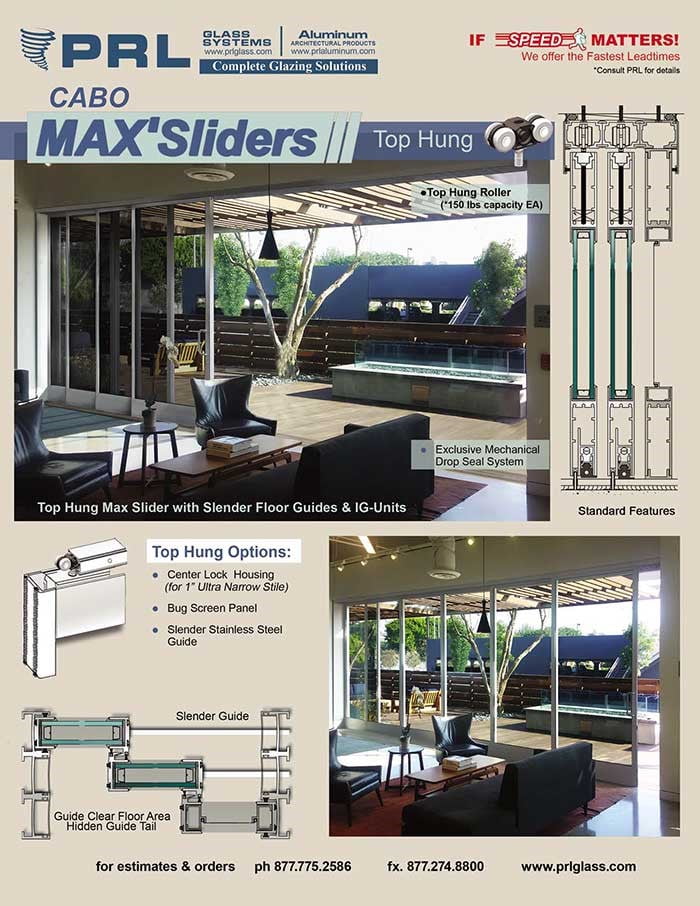
Top Hung Aluminum Sliding Door

Top Hung Sliding Door

Top Hung Sliding Doors

Transparent Mirror

Tubular Panic Device

Tubular Panic Device and Hardware

TVS All Glass Entrance Systems

Ultra Narrow Stile I Line Doors

PRL Urgency Program

Winners of our Photo Contest
Built for Safety, Strength, and Architectural Flexibility
Laminated SentryGlas® is a strong option for projects that require more than standard laminated glass performance.
Its structural interlayer helps improve post-breakage stability, impact resistance, rigidity, edge durability, and overall glass performance in demanding architectural applications.
From hurricane-rated glazing and high-wind projects to railings, canopies, balconies, storefronts, curtain walls, and frameless systems, laminated SentryGlas® can help support safer and more resilient glass design.
For specifications, estimates, product options, or order support, contact Architectural Glass and Metal directly.
For Complete Architectural Glass Specifications, Estimates and Orders
Please Feel Free to Contact Us Directly
Toll Free (800) 433-7044